Diabetic shoes and orthopedic shoes can look similar, but they solve different problems. The right choice depends on your diagnosis, your foot shape, and your risk for skin breakdown or pressure points.
What diabetic shoes are designed to do
Diabetes can reduce feeling in your feet and slow healing, which makes small rubbing spots more serious. Nerve damage can make it hard to notice a pebble in your sock or a blister forming. Poor blood flow can also make infections harder to heal.
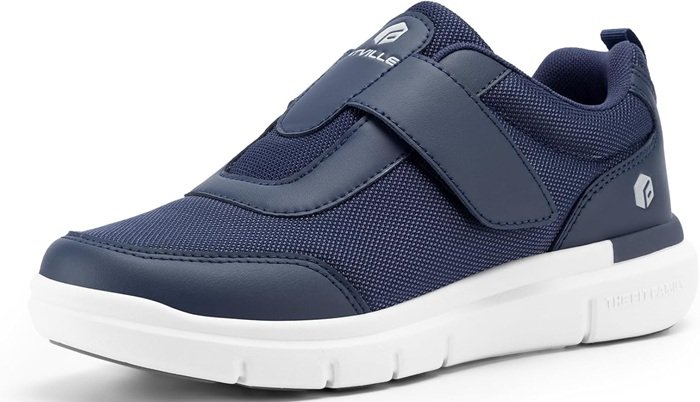
That is why diabetic shoes focus on protection and comfort. They are often built with extra depth to make room for custom insoles or orthotics, and they aim to reduce pressure and irritation. The American Diabetes Association explains that diabetic footwear is specially constructed to protect your feet, and that extra depth can help accommodate inserts.
Good fit matters as much as the shoe type. The National Institute of Diabetes and Digestive and Kidney Diseases recommends wearing shoes and socks at all times, checking inside your shoes before putting them on, and choosing shoes that fit well and protect your feet. If your feet have bunions, hammertoes, or shape changes, you may need extra-wide or deep shoes, plus inserts called orthotics.
What orthopedic shoes are designed to do
Orthopedic shoes are usually chosen to improve support, alignment, and comfort for common foot and joint issues. They may help when you deal with conditions like plantar fasciitis, arthritis, or chronic foot pain. Supportive shoes and orthotics can reduce stress on the foot by distributing pressure more evenly.
Orthotics are devices worn to relieve pain from foot and ankle conditions, and they include shoe inserts and other supports. Some people use orthopedic shoes specifically because they can pair well with orthotics. In many cases, orthopedic shoes are about better mechanics and stability, not just added depth.
Key differences in plain terms
Diabetic shoes prioritize skin safety and pressure relief. They are meant to lower friction and make room for inserts that protect at-risk areas. Orthopedic shoes prioritize support and structure, often to reduce pain and improve how your foot functions when you walk.
Here is a simple way to think about it. If you have diabetes-related neuropathy, past sores, or high-risk pressure points, your clinician may focus on diabetic footwear features first. If your main issue is support, alignment, or heel and arch pain, orthopedic footwear may be the starting point.
How to choose the right pair
Start with your medical needs and your foot shape. NIDDK advises people with diabetes to buy shoes that feel good, have enough room for toes, and to check that the inside lining is smooth and free of objects. If you are dealing with foot pain, ask about orthotics and supportive shoes that match your condition and daily routine.
If you want a trusted, non-commercial overview of diabetes-related foot risks and prevention, read this NIDDK guide: Diabetes & Foot Problems.
Find a supportive fit that works
If you are comparing options, focus on fit, comfort, and the features your feet actually need. A well-made diabetic shoe can be an orthopedic product when it is built to support inserts and protect sensitive feet, especially when diabetes is part of the picture.
Many people also want supportive styles that work for everyday life, including orthopedic shoes for women that do not feel medical or bulky. Explore options from Anodyne Shoes and browse
orthopedic shoes for women to find supportive designs that match your lifestyle.
Get the right shoe for your feet
Ready for a better fit and better support? Start by choosing footwear that matches your needs today, whether that means diabetic protection, orthopedic support, or both. Shop an orthopedic product built for comfort and foot health, and take the next step toward walking with more confidence.