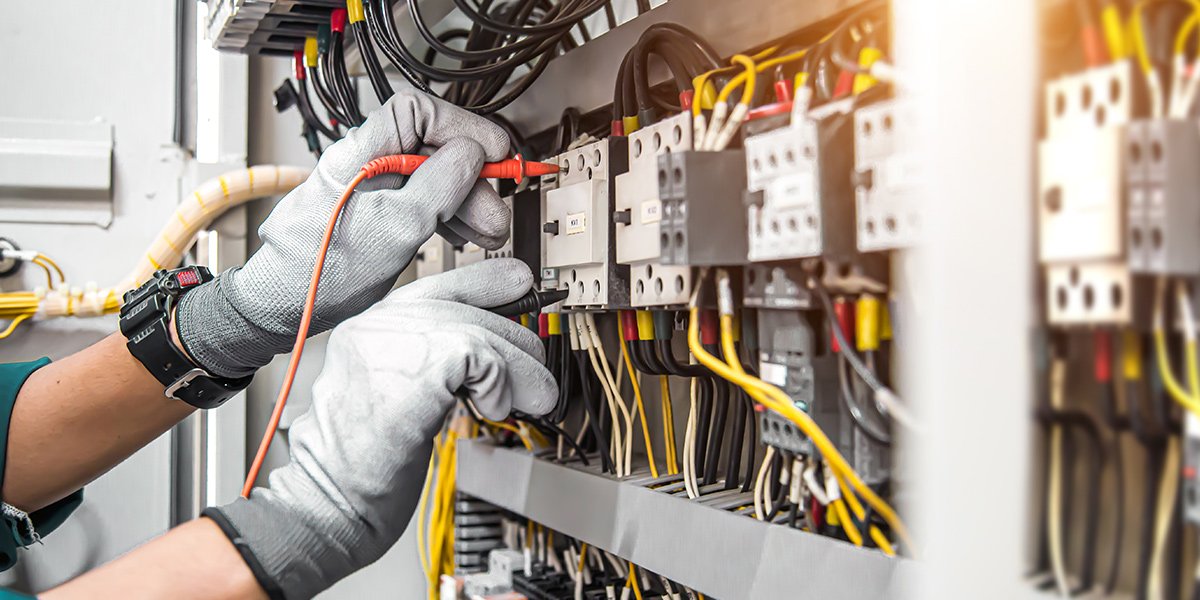
Electrical maintenance is a vital component of operational efficiency in modern facilities. As facilities increasingly deploy complex electrical instruments, devices, and equipment, consistent upkeep becomes essential to ensure uninterrupted operations. Neglecting maintenance can result in unexpected equipment failures, safety risks, and avoidable financial burdens.
By incorporating a structured electrical maintenance program, organizations can proactively enhance overall productivity. Let’s explore why electrical maintenance should be prioritized in modern facilities to ensure efficiency, safety, and long-term reliability.
Enhances Operational Efficiency
Regular electrical maintenance ensures that all instruments and devices operate at peak performance. Well-maintained equipment consumes energy efficiently, reducing operational inefficiencies and preventing unexpected downtime.
By implementing preventive checks, facilities can identify potential issues before they escalate, enabling smoother operations. Facilities that consistently employ electrical maintenance protocols report higher overall productivity, as systems function without interruptions, and resources are used effectively.
Extends Equipment Lifespan
Electrical devices and equipment represent a significant investment for any facility. Frequent inspections, routine servicing, and timely component replacements help avoid premature wear, effectively prolonging the lifespan of essential assets.
Proper maintenance routines help in detecting minor faults, such as loose connections or degraded insulation, which, if left unaddressed, could lead to major breakdowns. By incorporating electrical maintenance as a core operational practice, organizations can reduce capital expenditure on frequent replacements while safeguarding their existing assets.
This proactive approach also helps maintain the reliability of backup systems, ensuring that critical operations continue without interruption.
Ensures Workplace Safety
Safety is a non-negotiable aspect of any facility’s operations. Electrical failures can pose serious risks, including fire hazards, electric shocks, and other accidents. Through systematic electrical maintenance, facilities can employ rigorous safety checks and preventive measures to mitigate these risks. Conducting arc flash analysis during maintenance helps identify high-risk areas and ensures proper protective measures are in place to safeguard personnel.
Regular inspection of circuit breakers, grounding systems, and protective devices helps identify vulnerabilities that could compromise personnel safety. Prioritizing maintenance contributes to a secure work environment, ensuring staff welfare and compliance with safety regulations.
Furthermore, maintaining proper documentation of inspections and repairs supports compliance with industry safety standards and audit requirements.
Reduces Unplanned Downtime
Unscheduled equipment failures can severely disrupt operations, causing delays and financial losses. Electrical maintenance helps predict and prevent such interruptions by monitoring the health of devices and systems.
Facilities that employ predictive and preventive maintenance strategies can schedule repairs or upgrades without impacting critical workflows. By addressing minor issues proactively, organizations minimize the likelihood of sudden breakdowns, ensuring continuous productivity and reducing operational disruptions.
Optimizes Energy Management
Energy efficiency is a central concern for modern facilities, both from economic and environmental perspectives. Regular electrical maintenance allows organizations to assess energy consumption patterns, identify inefficiencies, and optimize the performance of electrical instruments. Implementing measures such as power factor correction during maintenance helps improve energy efficiency and reduce unnecessary reactive power losses.
Properly maintained equipment consumes less energy, reduces waste, and contributes to sustainability goals. Employing structured maintenance programs ensures that energy-intensive systems operate within their designed parameters, ultimately lowering costs and supporting greener operations.
Enhance Operational Efficiency with Structured Maintenance Programs
Electrical maintenance is essential for safeguarding operational efficiency, protecting costly equipment, and ensuring workplace safety in modern facilities. Implementing structured maintenance programs allows organizations to minimize unplanned downtime, optimize energy consumption, and extend the lifespan of critical electrical instruments and devices.
By employing preventive and predictive maintenance measures, facilities can detect potential issues early, maintain consistent performance, and ensure compliance with safety regulations. Regular upkeep reduces operational costs and supports long-term sustainability goals.
Prioritizing electrical maintenance is a proactive approach to ensuring reliable, uninterrupted operations and reinforcing the organization’s commitment to safety and efficiency. Partnering with reputable electrical brands can further strengthen these programs, providing additional expertise and resources to enhance performance and maintain operational continuity.