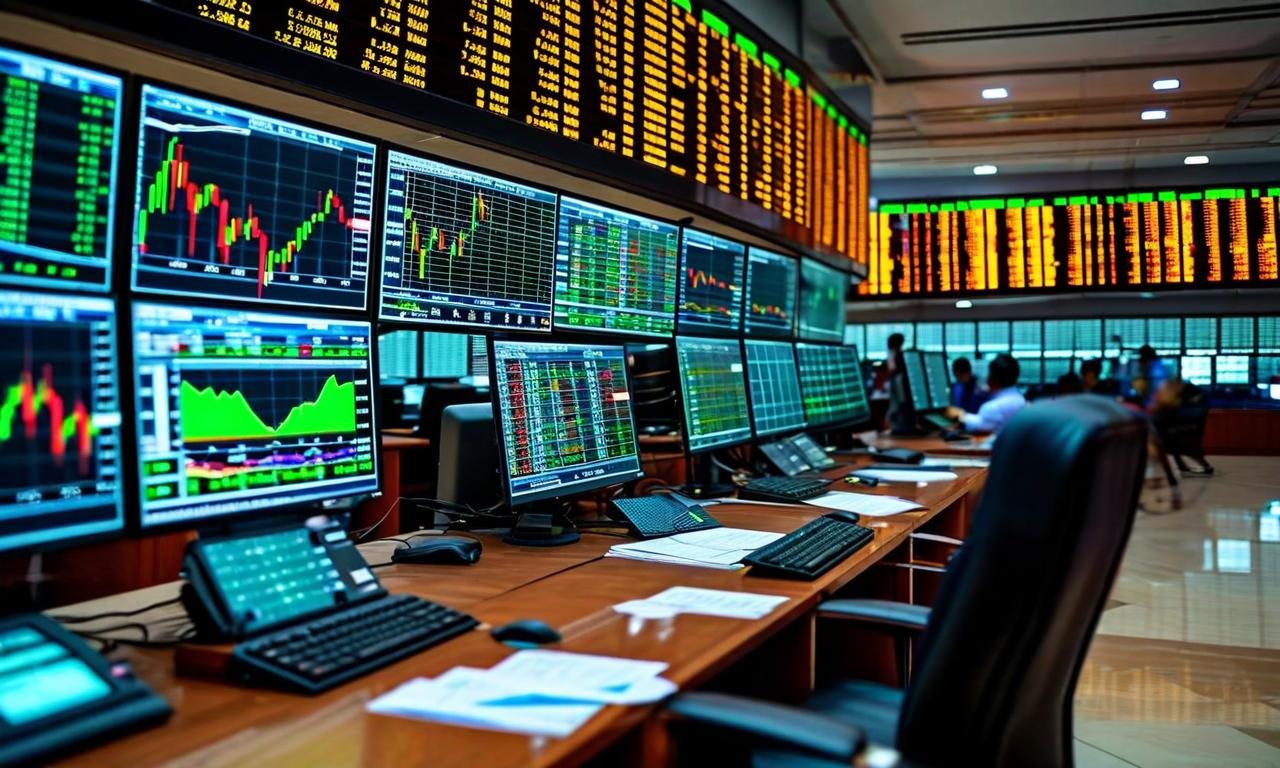
Morning Tea and Market Numbers Go Hand in Hand Now
This is an interesting development that has taken place in Indian families in the last couple of years. The morning habit has been altered. People used to rise up, prepare tea, read the newspaper and perhaps watch the headlines on TV. Now, before the first drink is swallowed and the final one, millions of Indians are lifting their phones and checking the stock market performance. It has become as natural as checking the weather. And honestly, for a growing number of people, the stock market numbers matter more than the weather forecast because their hard-earned savings are tied to those moving figures on the screen.
The BSE Sensex Is Where Most Eyes Land First
Inquire any Indian investor what he or she looks at first and the response is almost always similar. The BSE Sensex. It is the most well-known stock market index in the country and is the oldest in the country and follows 30 select companies that are listed in the Bombay Stock Exchange. They are not minor or marginal business. All companies in the list should have been trading in BSE on a daily basis at least six months, should belong to large or mega-cap and should have earned its revenue out of core business operations. The index value is calculated using float-adjusted market capitalisation, meaning only shares that the public can freely buy and sell are counted. Shares locked away with promoters or government bodies do not affect the number. So when someone sees the BSE Sensex go up by 400 points, it reflects genuine trading activity among the biggest companies in the country.
Phones Replaced Broker Offices and That Changed Everything
A decade ago, this was not accessible to ordinary people to track the stock market in real time. Serious investors were compelled to sit behind desktops with special trading software or go to the office of his or her broker and observe the prices. 9’o clock news had provided the summary to casual investors who simply awaited the closing bell and picked it up. Mobile applications totally broke that wall. Platforms like Angel One brought live market data, interactive charts, and instant trade execution to a device that fits in a trouser pocket. Now a vegetable vendor in Pune and a software engineer in Bengaluru have access to the same real-time BSE Sensex data. The playing field did not just level out. It practically flattened.
What Real-Time Tracking Actually Looks Like for Regular People
To the typical investors in the retail market, real-time tracking does not mean viewing complex graphs throughout the day. It is more feasible than that. They establish watchlists of their owned or desired stocks. They receive push-ups when a stock reaches a particular value. They will take a look at BSE Sensex couple of times in the day to understand the ambiance in the market. Others do it during the lunchtime at work. Others peek during a boring meeting. The apps make it effortless to stay informed without making stock market tracking feel like a full-time job. And for those who want deeper analysis, the same apps offer research reports, expert opinions, and historical data all within a few taps.
Staying Connected to the Market Is No Longer Optional
The fact of the matter is that the stock market does not spare anybody. The prices fluctuate each second and the opportunities emerge and vanish in a short period. Indian investors have figured out that staying connected through mobile apps is not just convenient. It is necessary. Whether someone is a seasoned trader making multiple moves a day or a cautious beginner who invested in one mutual fund last month, real-time tracking through the BSE Sensex keeps them grounded in reality rather than guessing in the dark.