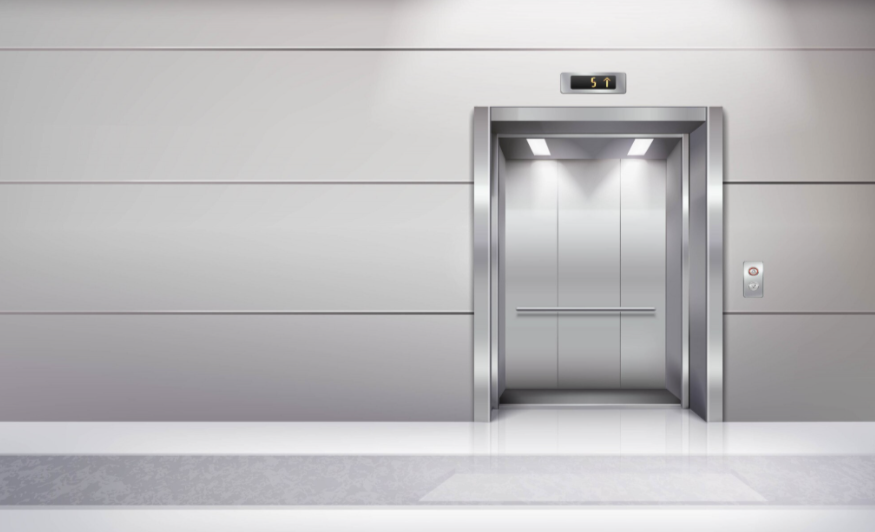
Elevators are an integral part of any building’s everyday schedule. Most people rely on them without giving it much thought.
Residents use them many times throughout the day. Office staff depend on them during fixed working hours. Visitors move between retail levels throughout the day. All of this happens within the same vertical system. Because of this, choosing the right high-rise elevators is more than an installation decision. It influences how well the building functions, especially when fully occupied.
Many elevator issues do not appear immediately. They usually become noticeable later, when occupancy and daily demand increase. Waiting times start to stretch. Elevators make frequent stops. Movement between floors feels slower. By that stage, changes are difficult and costly.
Elevator Movement in Mixed-Use Buildings
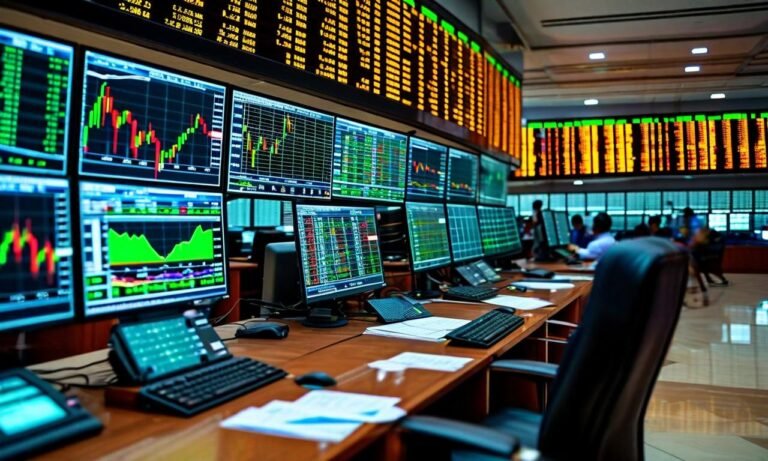
Towers operate differently from single-purpose buildings. Traffic patterns shift throughout the day. Office floors see concentrated demand during entry and exit hours. Residential use remains steady but spread out. Retail areas often stay active longer, especially in the evening.
This means elevators must handle both predictable and sudden demand. Planning should reflect how the building will actually be used. Height alone does not determine requirements. Occupant numbers, floor usage, and visitor movement all play a role.
Buildings that underestimate these factors often face service issues later. Delays become more frequent. Occupant experience is affected.
Why Traction Elevators Are Used in High-Rise Projects
Traction elevators are widely used in tall buildings because they handle vertical travel more effectively. Such high-rise lifts operate using a system of motors and counterweights. This allows smoother movement across multiple floors. It also supports consistent performance when elevators are used frequently.
Gearless traction systems are often preferred in taller structures. They are known for stable operation and reliability over time. Machine room-less designs can also help where space must be managed carefully.
Hydraulic elevators are common in low-rise buildings. Their speed and performance limit their use in taller mixed-use towers.
Performance Is About Consistency, Not Just Speed
Speed alone does not define elevator performance. Consistency matters more in everyday use. Elevators must respond properly to changing demand. Poor coordination leads to unnecessary stops and longer waiting periods.
Modern elevator systems are designed to improve movement flow. They help reduce interruptions and maintain steady service. This makes daily use more predictable, even during busy hours.
Reliability Depends on Long-Term Care
Elevators operate continuously. So, wear is inevitable. While safety systems help protect passengers, routine maintenance is essential for reliable operation.
Regular servicing helps:
- prevent unexpected breakdowns
- ensure the system continues to perform properly
Well-maintained elevators support both safety and daily convenience.
Energy Efficiency Has Become a Practical Consideration
Elevators contribute to overall building energy use. Efficient systems help reduce operating costs over time.
Some features that help improve efficiency include:
- Energy recovery during operation
- Efficient lighting within the cabin
- Reduced power consumption when idle
These features support long-term operational efficiency.
Elevators Shape the Daily Experience of the Building
Elevators are used by everyone. Their performance affects how people experience the property. Smooth operation improves comfort. Reliable service builds confidence. Conversely, poor performance causes frustration.
KONE provides elevator systems designed for high-rise environments. Its focus remains on efficient performance and dependable operation suitable for mixed-use buildings.
To Sum It Up
Mixed-use towers rely on elevators more than most people realize. Careful planning helps ensure the system can handle daily demand without creating delays or inconvenience. Choosing suitable high-rise elevators supports reliable movement and helps maintain the building’s overall performance.
In the UAE high-rise developments, elevators are not just infrastructure. They are part of how the building functions, day after day.