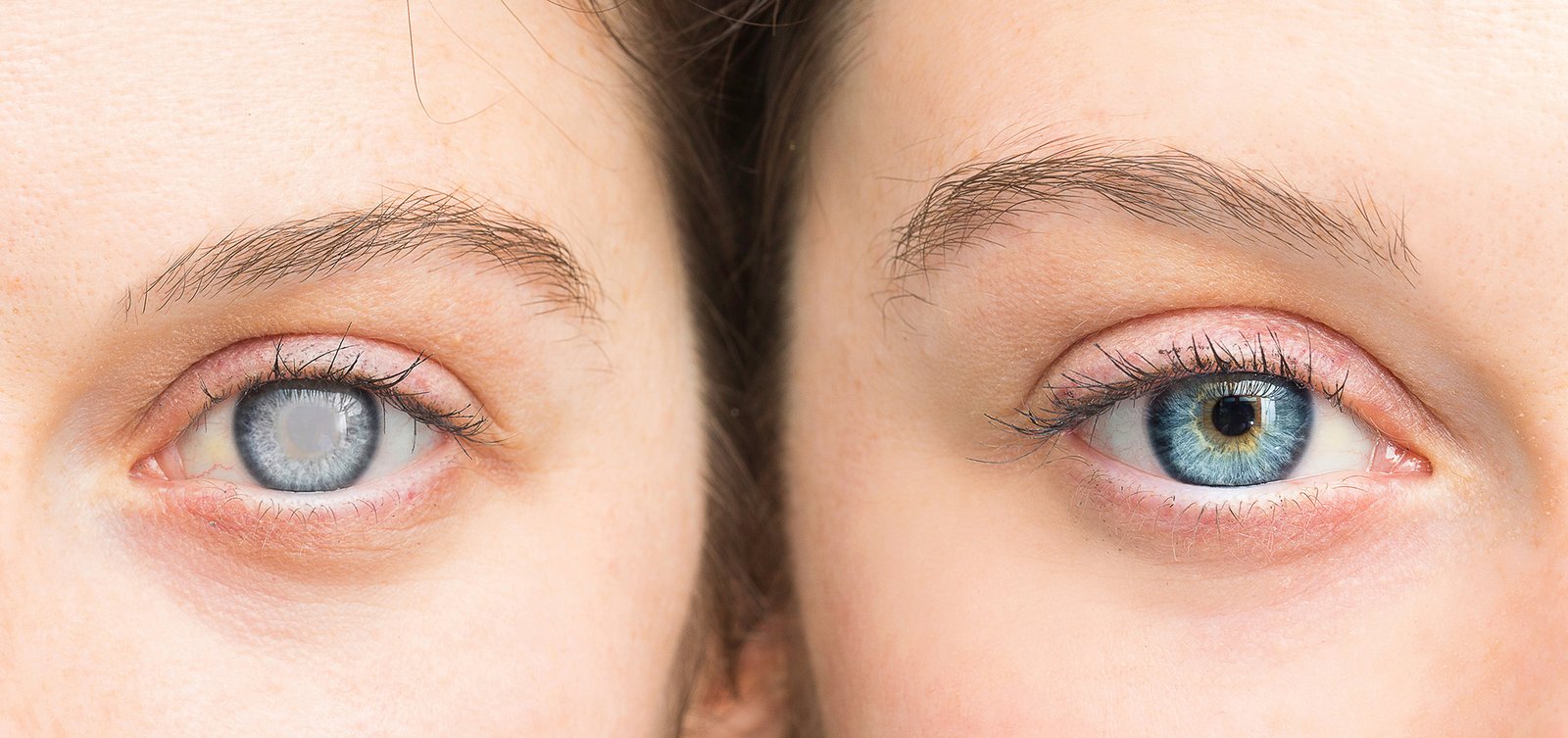
Visual impairment is more common among older adults. This is quite normal. As people get older, they have a higher chance of developing various eye conditions. One of the most common eye conditions among older adults is a cataract. It is commonly known as motiyabind in Bihar and many other states. The best and only way to treat a cataract is to get cataract surgery. We know that an eye surgery sounds scary. But do not be afraid. It is a completely safe procedure to restore sight.
However, there is one crucial aspect that determines the success of your surgery. During the surgery, an intraocular lens (IOL) is implanted in the eye after the old natural lens is removed. Since there are different types of intraocular lenses (IOLs), the type of lens determines how you see. This means the same type of lens is not used for all cataract surgeries. But you will not be choosing the lens type. Your doctor will help you choose the best lens for cataract surgery so that you can see clearly.
What Are Cataract Lenses?
Cataract lenses are basically artificial lenses that are implanted after the natural lens of the eye is removed. These are also called intraocular lenses. They work the same way natural lenses do. That is why when the natural cloudy one is replaced, people can still see clearly. Doctors carefully choose the lens that can reduce dependency on glasses and improve life quality.
Because there are different types of lenses for cataract surgery, many believe that some types are better than others. However, that is never the case. There is no universal “best” lens for cataract surgeries. The best lens is always the one that aligns with your needs. Only your doctor can say which is the best lens for you.
Main Types of Intraocular Lenses
Here are the most common and effective lens options used in cataract surgery today:
1. Monofocal Lenses — Clear Vision at a Single Distance
Monofocal lenses are the traditional and most widely used type. They are designed to provide sharp vision at one distance — typically far distance — meaning many people will still need reading glasses for close work.
Pros:
- Simple and reliable design
- Typically more affordable
- Excellent for distant vision (e.g., driving, outdoor activities)
- Cons:
- You will likely need glasses for reading and intermediate tasks
- Not ideal if you want complete independence from spectacles
For many people in Bihar whose daily work involves long-distance vision (such as walking in fields, driving tractors, or travelling), a monofocal lens with clear distance vision can be very practical.
2. Multifocal Lenses — Vision at Multiple Distances
Multifocal lenses are a more advanced option. These lenses are designed to provide clear vision at near, intermediate and far distances, reducing or even eliminating the need for reading glasses.
Pros:
- Can reduce dependence on glasses
- Good choice if you want a clear vision for tasks at varying distances — like reading, phone use and outdoor work
Cons:
- May cause halos or glare around lights, particularly at night
- Some patients take time to adapt to the multiple focal zones
These lenses are usually best for people who want greater spectacle freedom and have realistic expectations about adaptation.
3. Toric Lenses — Perfect for Astigmatism
If you have astigmatism — a common condition where the cornea’s shape is irregular — a toric lens can be a suitable choice. These lenses correct both the cataract and the refractive error caused by astigmatism.
Pros:
- Sharp vision with reduced distortions
- Reduces the need for glasses for both distance and intermediate vision
Cons:
- Slightly more expensive
- Requires precise surgical alignment
Toric lenses are especially valuable for people whose vision is blurred by astigmatism along with cataract, offering better clarity and reducing dependence on glasses.
4. Extended Depth of Focus (EDOF) Lenses
EDOF lenses are newer generation lenses that provide a continuous range of vision — especially for intermediate and distance tasks, while reducing some visual disturbances seen in multifocal lenses.
Pros:
- Natural transition between distances
- Less glare than traditional multifocal lenses
Cons:
- Near vision may still require reading glasses
For people who work frequently on computers, mobile phones or tasks requiring intermediate vision, EDOF lenses can be a compelling choice.
5. Accommodating and Light Adjustable Lenses
Some modern lenses — including accommodating lenses and light-adjustable lenses — offer specialised functions. Accommodating lenses move within the eye to mimic natural focusing, while light-adjustable lenses can be fine-tuned after surgery for personalised vision.
Pros:
- Customisable vision
- Possibly reduced need for glasses
Cons:
- Requires close follow-up and specific treatment post-surgery
These options are usually more advanced and may not be necessary for everyone, but they can offer excellent visual outcomes for active lifestyles.
How to Decide the Best Lens for Motiyabind Operation
Choosing the right lens depends on several key factors:
• Lifestyle
Think about what you do every day — do you read a lot, work outdoors, use digital devices often, or need good night vision?
• Visual Needs
Do you want to reduce dependence on glasses, or are you comfortable wearing them after surgery?
• Budget
Lens types vary significantly in price. More advanced options often cost more but can offer greater visual freedom (subject to affordability and availability locally).
• Eye Health
Conditions like astigmatism, glaucoma or retinal issues can influence the type of lens your surgeon recommends.
A thoughtful discussion with your eye specialist — coupled with detailed eye measurements — will help determine the best lens for your cataract surgery and your life in Bihar.
Conclusion
Understanding the variety of cataract lenses — from monofocal and toric to multifocal and EDOF — helps you make an informed choice that aligns with your visual goals. There is no single best lens for everyone, but with proper guidance from an eye surgeon and clarity about your needs, you can achieve excellent outcomes and enjoy improved vision after your motiyabind operation.