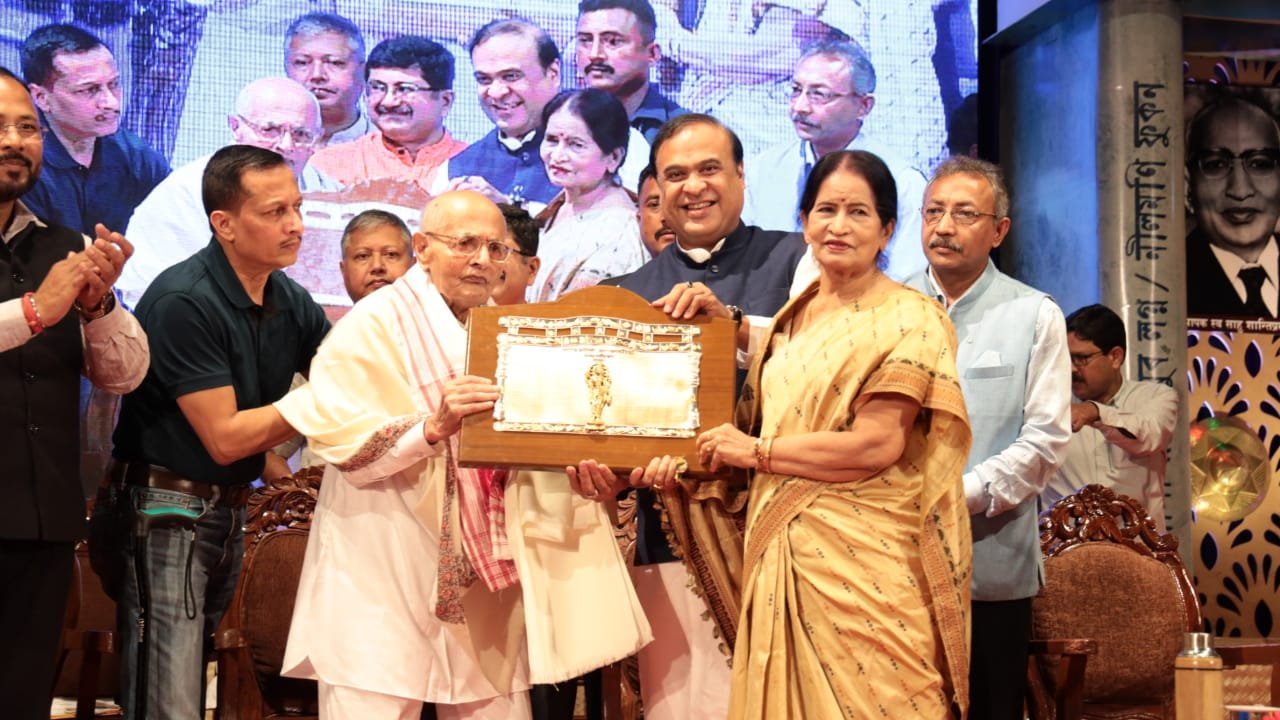
The Jnanpith Award is a literary honour of India which is given each year by the Jnanpith Foundation to the great contributions towards literature. It awards writers who have contributed to Indian writing in many languages accepted as Schedule-8 languages in the Constitution. This award was in 2000 presented to Mamoni Raisom Goswami (also Indira Goswami) in recognition of her outstanding literary work.
About Mamoni Raisom Goswami
Active Assamese author, professor, and intellectual, Mamoni Raisom Goswami died in 2011). She was very popular because of her sincerity and social awareness and her work touched upon sensitive matters such as caste, gender, insurgency and human sufferings. Daughter of Assam, she was awarded the Jnanpith Award making her the third Assamese writer to receive the award, further stabilising her status as one of the most powerful literary voices of modern India.
Jnanpith Award 2000 – For Which Work?
The Jnanpith Award 2000 was not in relation to any one book but her entire contribution to Indian literature. But her most widely known novel is perhaps, the so-called must powerful work in her writings The Moth-Eaten Howdah of the Tusker (Dontal Hatir Une Khowa Howdah). This is a novel that addresses the issue of the Assamese widows and how they suffer in constrained customs.
Notable Works of Mamoni Raisom Goswami
Some of her most significant works include:
Moth-Eaten Howdah of the Tusker (Dontal Hatir Une Khowa Howdah)
- The Splattered pages (The Delhi University riots story)
- The Man of Chinnamasta (social criticism and religious reform)
- Dasharathir Khoj (the search of social justice)
These writings used a blend of social commentary along with much strong narration, thus making her the most respected writers of her time.
Impact of the Recognition
The achievement of bringing the Jnanpith Award 2000 into Mamoni Raisom Goswami placed her on another platform at the national and international front. It legitimized her as a fearless advocate of the voiceless groups and as a progressive writer that countered the suppressive traditional customs. The award has also focused the attention on the Assamese literature to the bigger stage making her literary works accessible to larger readerships.
Legacy of Mamoni Raisom Goswami
The legacy of Mamoni Raisom Goswami is not only a literary work of genius but a social activist too. She dedicated her novels, short stories and academic work to resolve some of the most complicated socio-political problems of India. Her works never assimilate the trend of time, but they continue to influence another generation of writers, researchers, and social reformers.
FAQs
Q1. mamoni raisom goswami jnanpith award for which book?
Ans: It was her overall contribution to literature that got her the Jnanpith Award in 2000 and not a particular book. But her recognition is commonly paired off with The Moth-Eaten Howdah of the Tusker.
Q2. To what language did she write?
Ans: She was mainly a writer of the Assamese language although most of her work has been translated to the English language and others.
Q3. Was she the first Assamese novelist to be Jnanpith Award?
Ans: No. She became the third Assamese, and the first Assamese woman to win the award.
Q4. What are the themes in her works?
Ans: Her writings touched upon the topics of gender inequalities, widowhood, caste oppression, insurgency and human sufferings.